
Magnetic Messaging

The Messaging Framework That Helps Small Businesses Craft Content That People Remember, Relate To, and Retell
If you’re just filling the feed, you’re spending time, money, and energy that could be moving your business forward.
Learn how the SUCCES Framework helps you:
· Simplify what you say
· Make people feel something when they hear it
· Craft content they’ll remember, relate to, and retell
Every day we see passionate, capable business owners pour hours into content that doesn’t do what they want it to do. They’re not expecting everything to go viral, but they do want their audience to connect with what they’re putting out there.
The most effective messages share one thing in common: they’re magnetic. They attract attention, stay in people’s minds, and move them to act.
There’s a framework for this — one we use when helping clients refine their voice, define their story, and scale their marketing. It’s called the SUCCES Framework, and it comes down to six simple ideas.
Let’s break them down.
1. SIMPLE
When Apple launched the MacBook Air, they didn’t talk about RAM or processing power. They didn’t list a dozen specifications or dimensions. Instead, they slid it into an envelope.
That single visual told the entire story. The message was clear and easy to understand quickly: It’s thin enough to fit in an envelope.
When Apple launched the MacBook Air
Our brains are wired to remember one clear idea at a time. When we overload people with options or details, their attention gets divided and they don’t remember any of it.
For owner-led businesses, that means focusing on the core of your message.
If your audience could remember only one thing about you or what you’re offering, what should it be?
It might feel uncomfortable to strip away details, but simplicity doesn’t mean “less.” It means finding the most powerful, most recognizable version of your offer. Deliver a message that makes people instantly understand who you are and what makes you different.
2. Unexpected
Once you’ve made your message clear, the next challenge is holding attention. That’s where you can take a risk and introduce something that’s unexpected.
We tend to tune out things if we think they’re predictable. But when something surprises us and breaks a pattern, our brain perks up and we pay attention.
Remember the famous car commercial that looked like a typical minivan ad? Happy kids, soccer gear, parents chatting in the front seat. Then, out of nowhere — a crash. The message wasn’t about comfort or design. It was about safety.
That single, shocking twist made the message unforgettable.
Child Passenger Safety
Being unexpected doesn’t mean being outrageous. It means creating moments that catch your audience off guard in a meaningful way — moments that open curiosity and make them lean in so they don’t just scroll past.
That’s a real sweet spot for connection. Give people something they didn’t expect, but deliver on the emotion you need them to feel.
3. Concrete
We often see businesses fall into the trap of using big, abstract words: “We deliver innovative, scalable solutions” or “We empower visionary leaders to grow.”
The problem with that is that nobody can actually picture that.
We need to show, not just tell. Concrete language helps your audience see what you mean. It’s the difference between saying, “We help businesses grow through strategic marketing,” and saying, “We lead your marketing strategy, manage your content, and remove the pressure of DIY marketing so you can grow your business without losing your voice.”
One of the reasons urban legends spread so easily is because they’re filled with vivid, concrete details. Did you ever hear the one with “The Hook”?
It’s dark and gruesome so it was a popular around the campfire when I was growing up.

The Urban Legend of the “The Hook”
A couple is driving through the country late at night and their car breaks down. They pull over and then they start to hear a scraping sound on the top of their roof. They dismiss it thinking it could be the leaves from a nearby tree, but there’s no wind.
The guy gets out to look around and the girl turns on the radio. She hears breaking news. A serial killer with a hook has just escaped from a nearby institution.
She gets out to warn her boyfriend and is horrified to see both him and a mangled stranger hanging upside down from the tree with their fingernails scraping the roof of the car.
Sorry I know it’s gross but those details (driving down a country road in the night, the tree, and the radio report) are easy to picture and make the story feel real and memorable.
If people can visualize your message, they can remember it. A good question to ask yourself to make sure a message will be more memorable is: “Can they see what I’m saying?”
When they can, your words are more tangible and it will stick in their minds.
4. Credible
The next principle is credibility. Will people believe what you have to say?
When we want people to believe our message, we often default to listing credentials or sharing statistics. That kind of information can help convince someone in the moment, but it is rarely memorable.

That is why testimonials work and why behind-the-scenes videos often perform better than polished promos.
When people can see the process and not just the outcome, they feel like they can trust it.
Instead of trying to prove that your system works with data alone, try showing them why it works or letting a real person share their experience with it.
5. Emotional
Most people make a decision with the heart and then justify it later with their head. When you’re booking a service, buying a product, or donating to a cause, emotion drives the behavior.
Curiosity isn’t an actual “emotion” like happiness or anger, but it activates emotion, grabs attention, and motivates action. Mystery works the same way but it creates emotional tension. It provokes curiosity, suspense, and sometimes even fear or excitement — all powerful motivators that I think are underused in marketing.
Remember when The Blair Witch Project came out? Even though it didn’t have any A-listers or a bunch of special effects, it was one of the most successful independent films ever made.
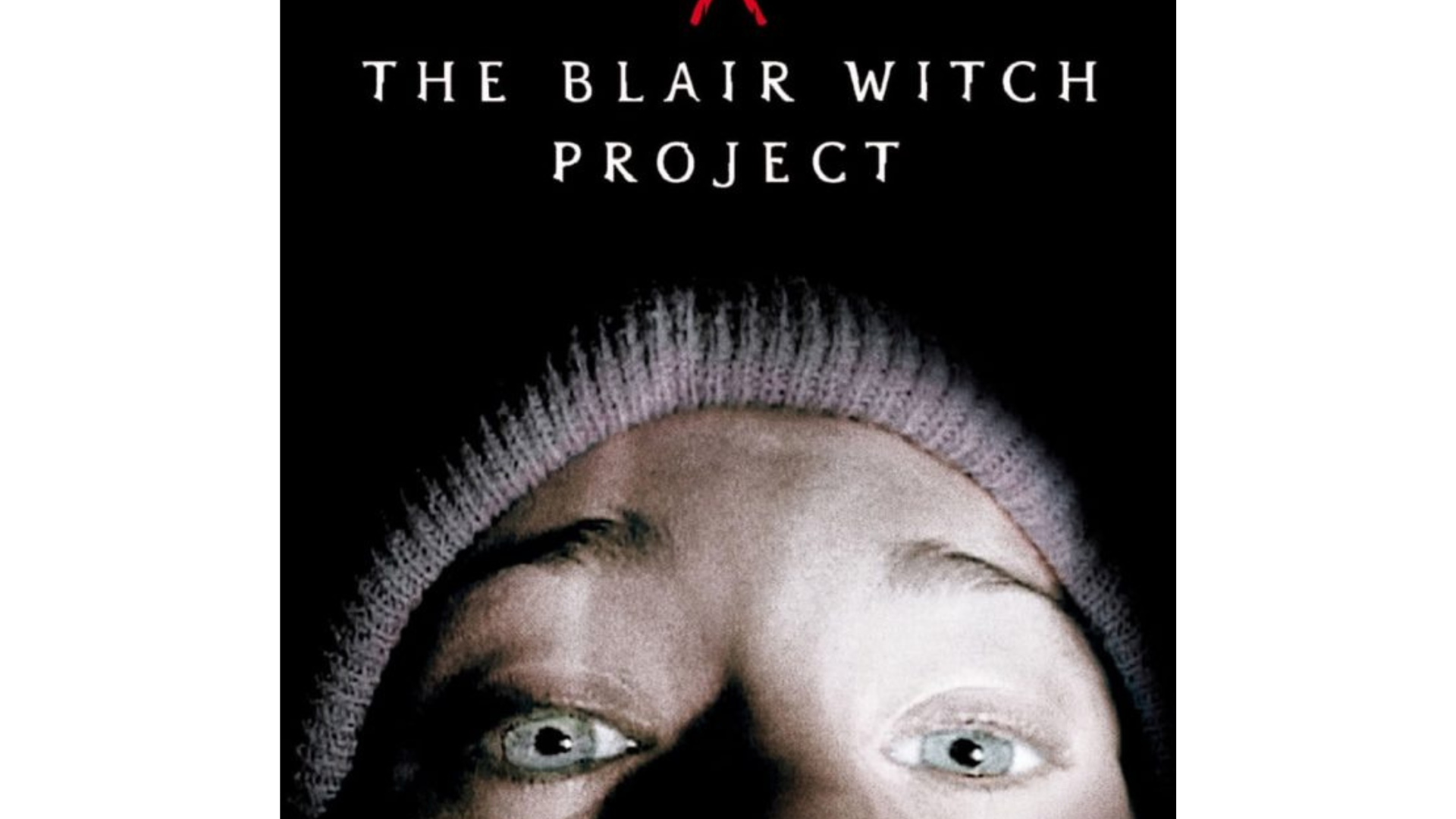
They started that campaign with mystery. Viewers were told that three students had gone missing while filming a documentary, and the footage they were watching was real.
People wanted to know: Was it true?
That curiosity and emotional tension led to over $250 million in ticket sales.

Netflix’s Bird Box (2018) is another great example.
Netflix capitalized on that by promoting the film’s social-media presence: memes, the #BirdBoxChallenge (people blind-folding themselves doing everyday tasks), and the imagery of the blindfolded protagonist.
When you’re rolling out a new offer or getting ready to announce an event, think about how to spark that same emotional pull. What can you say that makes them curious, excited, or want to learn more? Give them a reason to care.
6. Stories
Long before ads, algorithms, or analytics, stories were how people taught lessons, shared warnings, and passed them along from one generation to the next.
Stories are the best way to make people remember, relate, and retell what you’re doing. It doesn’t even have to be about your product or service. When you focus on your mission and the difference you’re trying to make through your work, your story becomes what people connect with — not just what you sell.
Take Dove’s Real Beauty campaign. They didn’t talk about ingredients or dermatology results. They told stories about real women and how they saw themselves. I remember one video that showed a forensic sketch artist drawing women based on their own descriptions, then redrawing them based on how others described them. The difference was striking and emotional.
That story went viral because it wasn’t about soap. It was about self-perception and confidence. It made people feel something and see themselves in the message.
The Dove "Real Beauty Sketches" campaign experiment with FBI-trained forensic artist, Gil Zamora
It’s the same idea with Nike’s “Find Your Greatness” campaign.
It’s not about clothes, shoes, or even elite athletes. It’s about ordinary people pushing their limits. I remember them showing one ad where a boy was jogging alone down a country road, he was out of shape and sweating, but he kept going anyway. There’s no cheering crowd, just his own determination. It’s simple and inspirational. It makes you feel like you can start running even if you’re out of shape or have never done it before.
Nike: Find Your Greatness
Even Apple’s “It fits in an envelope” moment tells a story. So do customer testimonials, before-and-after photos, and founder journeys. When we see or hear a story, we don’t just process the information. We feel it. We replay it, remember it, and retell it.
Stories turn your message into something people can pass along. They help your audience imagine themselves in the narrative as the one who experiences that transformation, relief, or success.
Next Steps
As your business grows, there will come a time when your DIY marketing no longer feels as effective as it once did. It will not be because you need more posts, more copy, or more campaigns you do not have time to manage.
It will be because your business will change, and what once worked will not align with where you are headed.
When that happens, the answer is not to do more. It is to go back to the foundation.
You will need a clear mission, a defined audience, and a strategy that reflects the next stage of your growth. As your goals change, your marketing should grow with you.
You won’t have time to learn every framework, system and tactic on your own. If you know you can’t (or shouldn’t) do it all yourself anymore and you’re ready to take marketing off your plate without losing your voice, an Undercover Creator can show you where to start — and what to get right before you delegate, hire, or grow your team.
Book a consultation today!